
Take the First Step Toward Healthy, Glowing Skin
Book Your Free Aesthetic Consultation Today
Let our specialists create a customized care plan tailored just for your skin and lifestyle.
Schedule an Appointment
Let our specialists create a customized care plan tailored just for your skin and lifestyle.
Schedule an Appointment
 Hair Removal
Table of contents
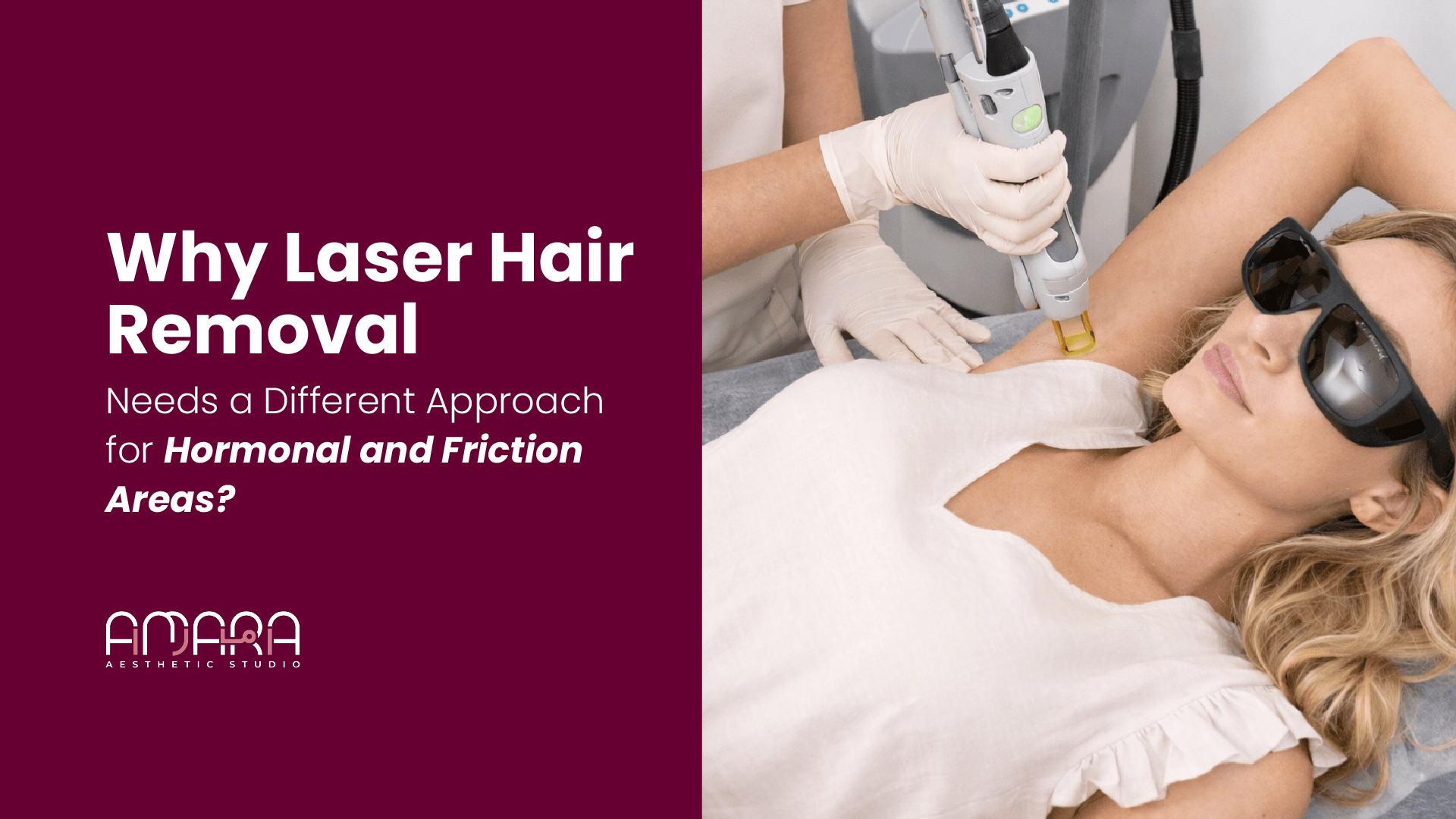
Laser hair removal in Dubai is extremely famous as one of the most reliable long-term solutions for unwanted, stubborn hair. But while many people experience great outcomes inthe areas like the arms or legs, hormonal and friction-prone zones such as face, bikini line, underarms, and inner thighs behave very differently and cannot be treated with a one-size-fits-all approach.
These zones are influenced by hormonal activity, repeated skin friction, higher sensitivity, and denser hair growth patterns. Treating them successfully requires not only advanced laser technology but also clinical judgment, customized settings, and realistic expectations.
Thinking of laser hair removal for stubborn hair? A professional consultation is essential to assess your skin, hair pattern, and suitability before starting treatment. This blog explains why these areas need extra care, how laser technology interacts with hormonal hair growth, and what truly ensures safe & effective results.
Laser hair removal in Dubai works by transferring concentrated light energy into the hair follicle. The pigment (melanin) in the hair absorbs this energy, which heats and softens the follicle enough to slow down or stop future hair growth.
However, laser treatment only affects hair that is in its active growth phase (anagen). Since not all hair grows simultaneously, multiple sessions are required to target follicles as they cycle into this phase. This biological limitation is why laser hair removal is a well-defined process rather than a one-time solution.
These variables are specifically important in hormonal and friction-prone zones.

Hormonal areas are parts of the body where hair growth is strongly influenced by androgens (male-pattern hormones present in all genders). These include:
In these regions, hair follicles are more responsive to hormonal signals, which can trigger thicker, darker hair growth over time.
Hormonal stimulation can cause:
Laser hair removal for hormonal hair can significantly reduce hair density in these areas, but hormonal influence means maintenance sessions may be required, particularly if underlying conditions such as PCOS or thyroid imbalance are present.
Importantly, this does not mean laser “doesn’t work” on hormonal hair; it means expectations must be realistic and treatment must be consistent.
Friction-prone areas experience constant rubbing from clothing, skin folds, or movement. Common examples include:
These zones often have:
Repeated friction can already compromise the skin barrier, making careful laser settings and post-treatment care essential.
Hormonal and friction zones cannot be treated aggressively without increasing the risk of side effects. Instead, a measured, customised approach is required.
Key considerations include:
Using overly high energy in these areas does not improve results; it increases the risk of burns, inflammation, and pigmentation issues.
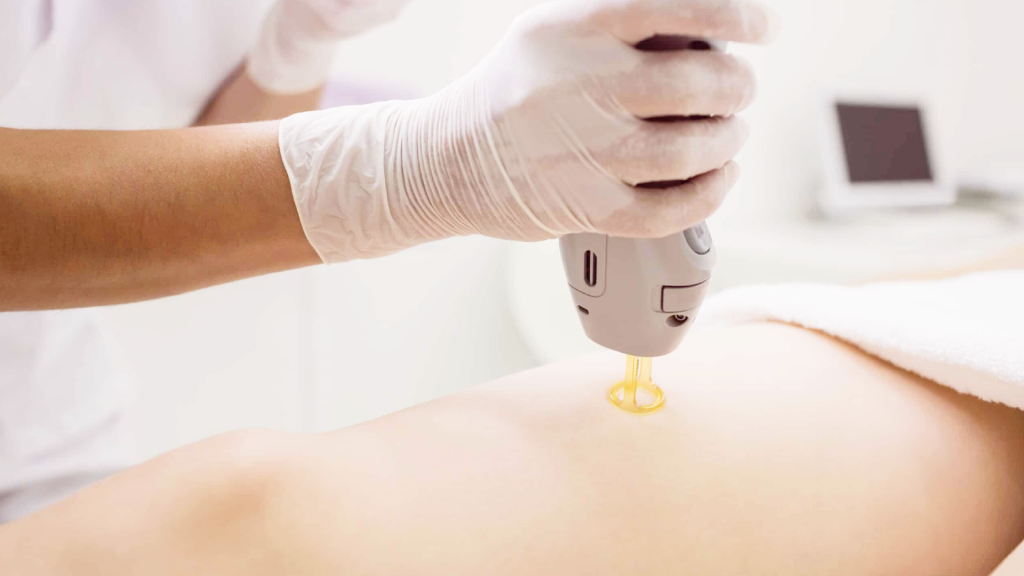
Sensitivity varies from person to person, but certain areas tend to feel more intense during laser treatment:
Modern laser systems at Amara Aesthetic Studio use integrated cooling, contact chillers, or air cooling to minimise discomfort. In some cases, topical numbing cream may be recommended.
While laser hair removal for facial hair or other friction areas is not completely pain-free, discomfort is usually brief and well-tolerated when performed correctly.
Proper preparation improves results and reduces the likelihood of side effects.
Before your session:
Post-treatment care is particularly important for hormonal and friction areas.
After your session:
Mild redness or warmth is common and usually subsides within a few hours. Experts at Amara guide you with the personalized after-care guide as per your skin type.
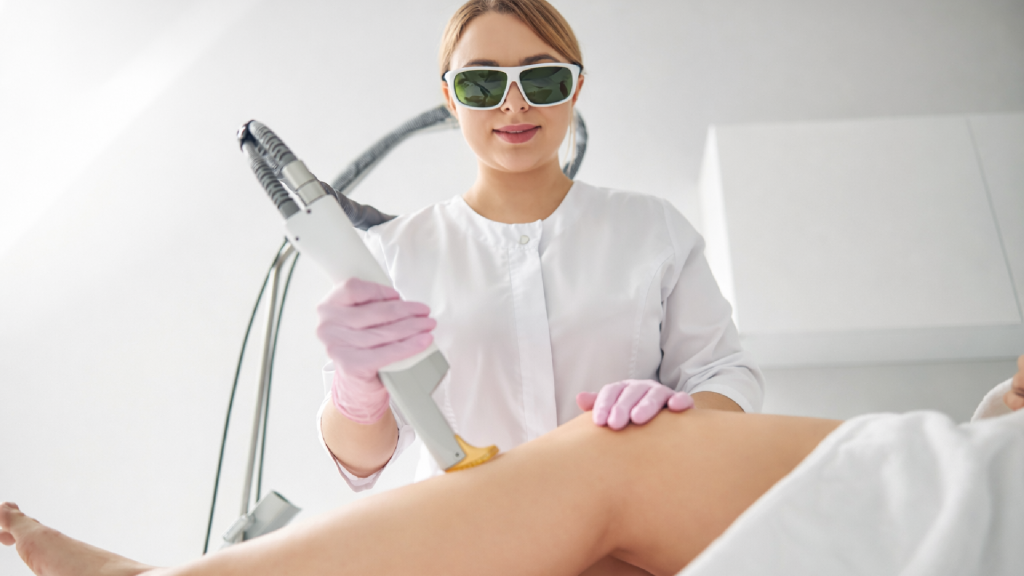
Most people require multiple sessions for significant hair reduction, spaced several weeks apart. Hormonal areas often fall on the higher end of this range. As compared to normal hair removal; more sessions are required but it is worth the wait those are extremely sick of stubborn hair at unwanted areas.
It’s important to understand:
Hair that does regrow is typically finer, lighter, and easier to manage.
Laser hair removal for hormonal and friction-prone areas requires a customised, clinically guided approach. At Amara Aesthetic Studio, each treatment plan is tailored to individual skin type, hair pattern, hormonal influence, and area sensitivity. With advanced technology, experienced practitioners, and a strong focus on skin safety, we are a trusted choice for effective laser hair removal in delicate and hormonally influenced areas.
When performed by trained professionals using appropriate technology, laser hair removal is safe for sensitive and friction-prone areas. Customised settings, proper cooling, and correct aftercare significantly helps.
With us, pigmentation changes are uncommon as treatments are performed in a correct manner. Proper laser selection, conservative energy settings, sun avoidance, and diligent aftercare greatly reduce the risk of post-treatment darkening or uneven skin tone.
Hormonal and friction-prone areas often require more sessions, depending on hair density, growth pattern, and underlying hormonal influences.
Laser hair removal isn’t completely permanent, but it significantly reduces hair growth. Maintenance sessions are usually needed over time to manage regrowth and keep the area smooth.
Yes, laser hair removal is commonly used for managing excess hair in individuals with PCOS. While it effectively reduces hair growth, ongoing hormonal activity may require regular maintenance sessions for sustained results.
