
Take the First Step Toward Healthy, Glowing Skin
Book Your Free Aesthetic Consultation Today
Let our specialists create a customized care plan tailored just for your skin and lifestyle.

Schedule an Appointment
Let our specialists create a customized care plan tailored just for your skin and lifestyle.
Schedule an Appointment
 Aesthetics
Table of contents
Pigmentation issues can be extremely frustrating; you wake up, look in the mirror, and suddenly those dark patches or spots seem to have gotten deeper overnight. If this sounds familiar, you’re not alone. A large number of people deal with some or other forms of pigmentation, especially in climates like Dubai where sun exposure is unavoidable.
The good news? You can treat it. You must thoroughly understand the type of pigmentation you are dealing with and the right pigmentation treatment in Dubai to target it. Today, you’ll learn exactly about that. Through this blog, we have curated a simple and clear blog that helps you make informed decisions about your skin.
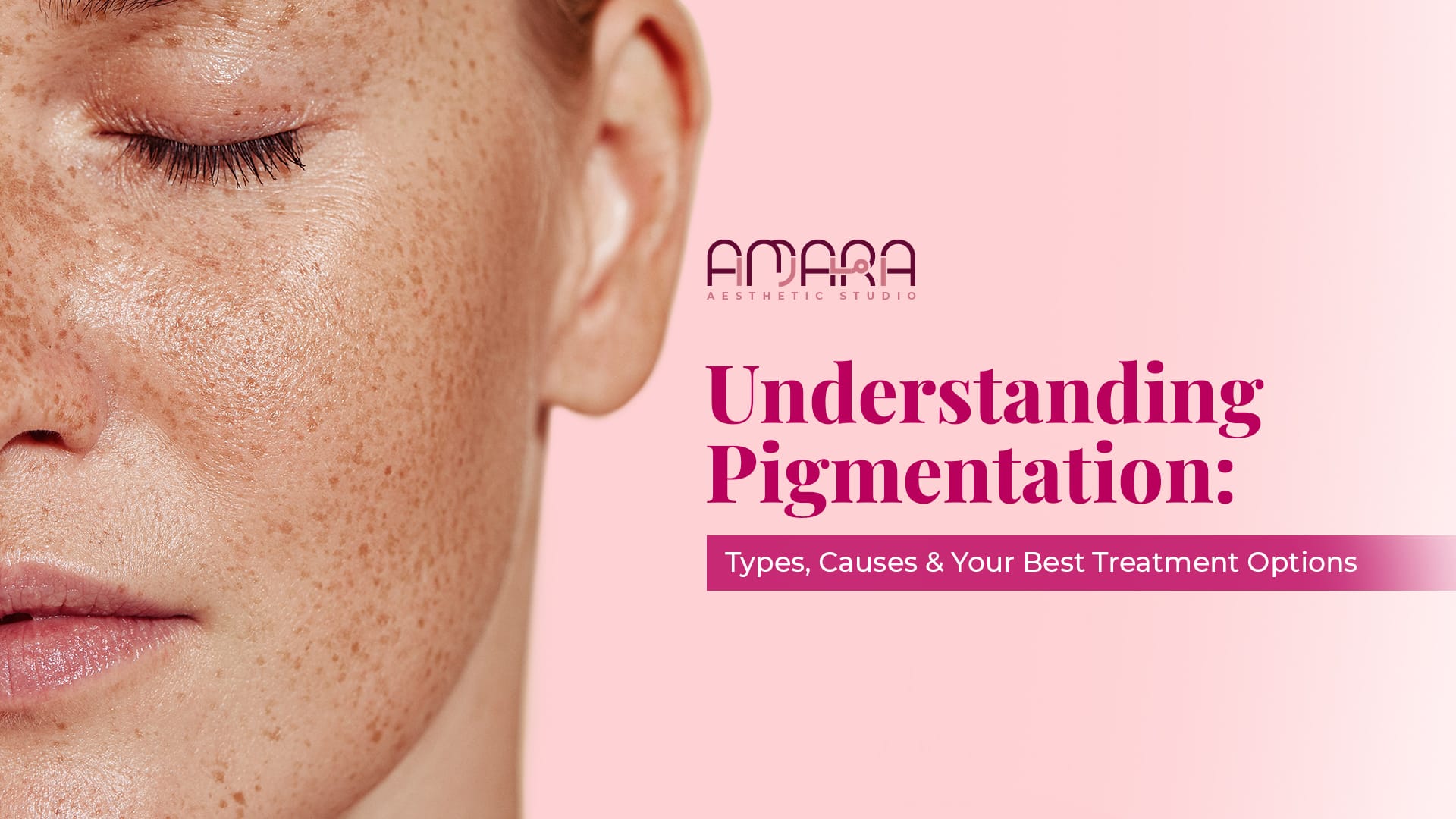
Skin pigmentation is the natural colour of your skin, created by a pigment called melanin. When your body makes too much or too little melanin due to sun exposure, hormones, acne or injuries, you may notice dark spots, patches or uneven tone. This is called pigmentation.
Sunspots happen when your skin produces excess melanin due to prolonged UV exposure. Pigmentation treatment is one of the most common concerns people experience, even if you wear sunscreen on a daily basis.
How to Identify Sunspots
You’ll likely notice:
Effective Treatments
To lighten and even out your skin tone, the following work best:
If you spend a lot of time outdoors or in the car, treating these early prevents deeper pigmentation layers from forming.
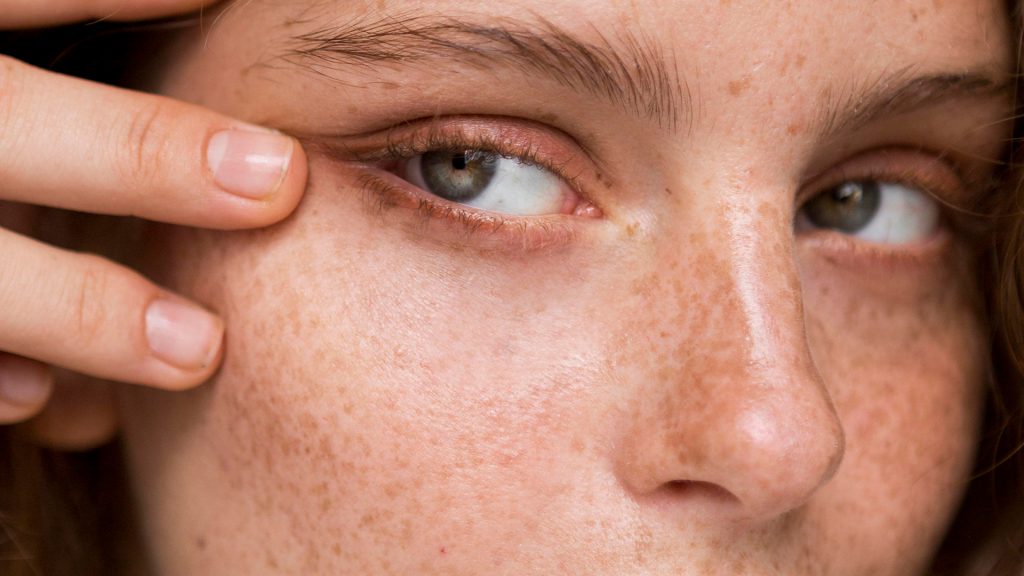
Melasma is one of the most stubborn types of pigmentation. If you’ve experienced brown patches that look symmetrical (especially on your cheeks or upper lip), chances are it’s melasma.
It’s heavily influenced by hormones, heat, genetics, and sun exposure, so yes, Dubai’s climate does make it trickier.
How to Identify Melasma
You may notice:
Effective Treatments
Melasma Treatment in Dubai requires a careful approach. The goal is to lighten the pigment without triggering inflammation.
Melasma needs consistency and expert handling. Aggressive treatments can make it worse, which is why precision matters.
PIH occurs after acne, injuries, waxing, or aggressive skin treatments. It affects nearly everyone, especially if you have deeper skin tones.
How to Identify PIH
You’ll see:
Effective Treatments
To treat PIH treatment, these approaches deliver the fastest results:
PIH responds very well to treatment, especially when addressed early.
Freckles are tiny clusters of pigmentation triggered by sun exposure and sometimes genetics. Many people love them, but if you want them to be reduced, it’s possible.
How to Identify Freckles
Effective Treatments
Freckles can be lightened with:
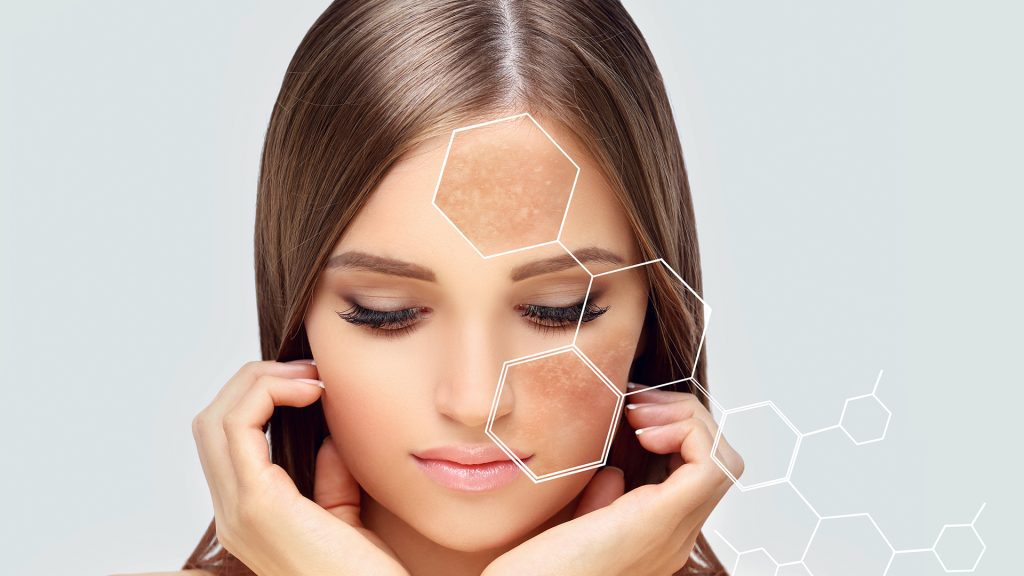
This happens when pigment sits deeper in the dermis, making it harder to treat. It’s often caused by:
Effective Treatments
For deep pigmentation, multi-step plans work best:
Your skin is unique; your pigmentation is too. The best results come from treatments tailored specifically for your skin type, depth of pigmentation, and lifestyle. Dubai’s climate plays a big role, so choosing an expert-based, controlled approach is essential.
Pigmentation can feel overwhelming, but understanding the different types, from sunspots and melasma to PIH and freckles gives you the power to choose treatments that work. Whether you’re dealing with pigmentation and looking for pigmentation treatment in Dubai, the right guidance can fast-track your skin transformation.
At Amara Aesthetic Studio, you’re not just getting treatment; you’re getting personalized care from skin specialists who understand the science behind pigmentation and the unique challenges of Dubai’s environment. Your skin deserves expertise, precision, and safe, effective solutions, and that’s exactly what Amara delivers.
Pigmentation is caused by sun exposure, hormones, acne, genetics, inflammation, or heat. Understanding the source helps guide the right treatment approach for long-term results.
Melasma isn’t permanent, but it requires consistent, gentle treatment. With expert care and maintenance, you can significantly lighten patches and control flare-ups effectively.
Most people need 4-6 sessions depending on the depth of pigmentation, skin type, and treatment chosen. Results improve progressively with each session.
Yes, especially melasma, if you skip sunscreen or trigger factors. Proper aftercare and maintenance prevent recurrence.
Most treatments are mild and tolerable. You may feel slight warmth or tingling, but numbing options are available for sensitive skin.
Chemical peels, laser toning, and brightening facials work best for PIH. They target surface and deeper pigment while improving overall skin clarity.
