
Take the First Step Toward Healthy, Glowing Skin
Book Your Free Aesthetic Consultation Today
Let our specialists create a customized care plan tailored just for your skin and lifestyle.

Schedule an Appointment
Let our specialists create a customized care plan tailored just for your skin and lifestyle.
Schedule an Appointment
 Cupping Therapy
Table of contents
Warm, sunny weather is one of the defining features of life across the Gulf region. While the bright climate can look beautiful, the constant exposure to strong sunlight and high temperatures can create ongoing challenges for the skin.
Even short daily activities outdoors can gradually lead to dark spots, uneven skin tone, and melasma. Many people notice that pigmentation continues to appear or worsen despite using regular skincare products.
In this guide, we explain what causes skin pigmentation, how the Gulf region’s climate can influence skin changes, the available options for pigmentation treatment, and practical steps that can help reduce the risk of future discolouration.
The climate across Gulf countries can contribute to the development of stubborn pigmentation and uneven skin tone. Even individuals who spend limited time outdoors may gradually notice changes in their skin. Several environmental and lifestyle factors can influence this process.
Countries in the Gulf experience strong ultraviolet (UV) radiation for most months of the year. This means the skin is regularly exposed to both UVA and UVB rays during everyday activities.
Repeated exposure over time may lead to sunspots, uneven tone, and conditions such as melasma.
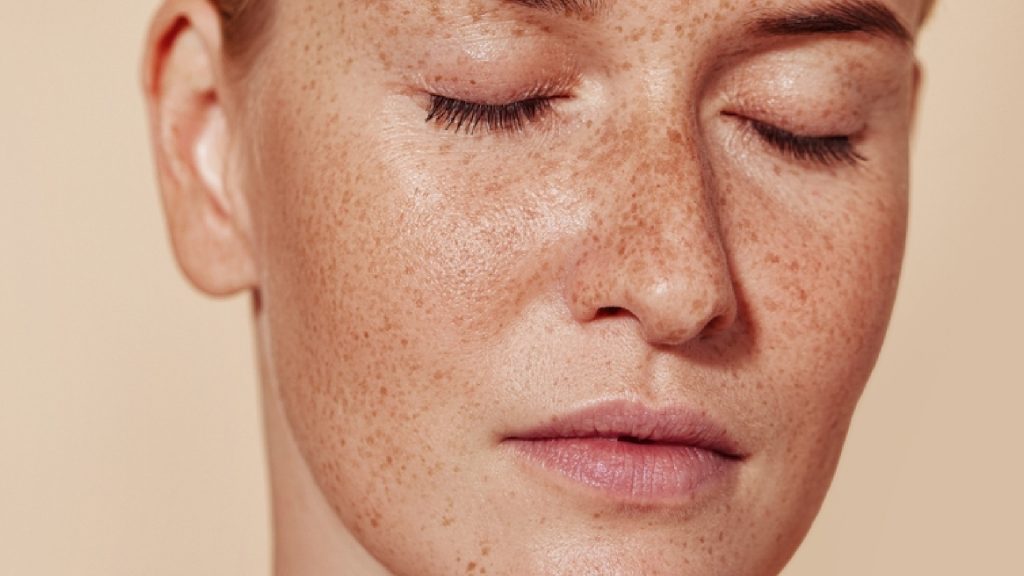
Beyond UV rays, high environmental temperatures can also affect the skin. Heat can increase inflammation within the skin, which may stimulate melanocytes, the cells responsible for producing pigment.
Infrared radiation from sunlight can penetrate deeper layers of the skin as well. This may contribute to increased melanin activity, which is one reason pigmentation concerns often become more noticeable during warmer months.
Many daily routines naturally involve some level of sun exposure, including:
Even short periods outdoors can contribute to cumulative UV exposure over time.
High temperatures and humidity can cause sweating, which may reduce how long sunscreen remains effective on the skin. If sunscreen is not reapplied regularly, the skin may remain partially unprotected during the day. This repeated exposure can gradually contribute to the development of pigmentation.
Certain pigmentation conditions, particularly melasma, are often associated with hormonal changes. Factors such as pregnancy, stress, or hormonal medications can increase the skin’s sensitivity to sunlight.
When these internal factors combine with strong environmental UV exposure, pigmentation may develop more quickly or become more difficult to manage.
Some cosmetic procedures, including chemical peels, laser treatments, and exfoliation, can temporarily make the skin more sensitive to sunlight. During this period, careful sun protection is important to prevent pigmentation from reappearing or becoming more visible.
In the Gulf region, pigmentation is rarely caused by a single factor. Instead, it usually develops due to a combination of strong UV exposure, high temperatures, daily outdoor routines, and individual biological triggers. Because of this, prevention and consistent sun protection are essential alongside professional treatment options.
When skin is exposed to ultraviolet (UV) rays:
This results in:
Without proper treatment for sun damage in Dubai, these spots can become deeper and harder to treat.
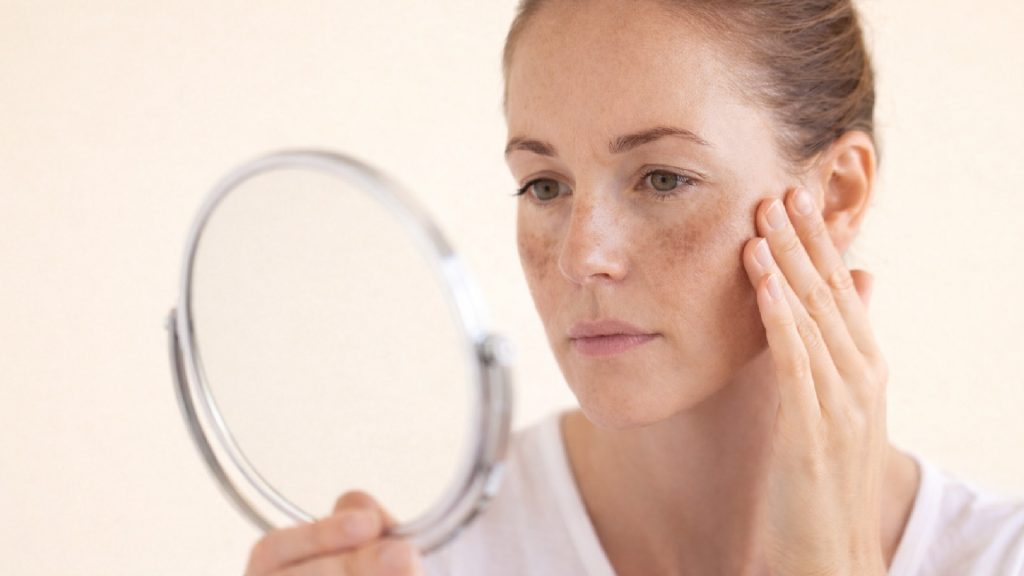
Not all dark spots are the same. Sun exposure can trigger different types of pigmentation, and each requires a slightly different treatment approach.
Also known as age spots or liver spots, solar lentigines are flat, well-defined brown patches that develop after years of UV exposure.
Why do they form?
Prolonged sun exposure causes localised overproduction of melanin in specific areas.
Common areas:
These spots usually require targeted treatment for sunspots, such as laser therapy, chemical peels, or medical-grade brightening treatments, as topical creams alone often give limited results.
Melasma appears as symmetrical brown or greyish patches, most commonly on the cheeks, forehead, upper lip, and jawline.
Why do they form?
In sunny climates like Dubai, melasma can worsen quickly. Heat alone, even without direct sunlight, can trigger flare-ups. That’s why many residents actively seek reliable melasma treatment options in Dubai that combine sun protection with medical therapies.
Melasma is often deeper and more stubborn than regular sunspots, requiring a structured treatment plan.
Post-inflammatory hyperpigmentation develops after skin inflammation, most commonly acne.
Why sun make it worse?
When inflamed skin is exposed to UV rays, melanocytes become overactive, darkening acne scars even further.
Common triggers:
PIH often requires advanced hyperpigmentation treatment, especially when sun exposure has deepened the discolouration.
Although these conditions may look similar, they behave differently beneath the skin. Treating melasma like a simple sunspot or ignoring PIH while focusing only on surface pigmentation can delay results.
Understanding the exact type of pigmentation is the first step toward choosing the right treatment and preventing it from returning.
While UV rays are the primary trigger, other contributing factors include:
Understanding the causes of skin pigmentation helps in selecting the right treatment approach.
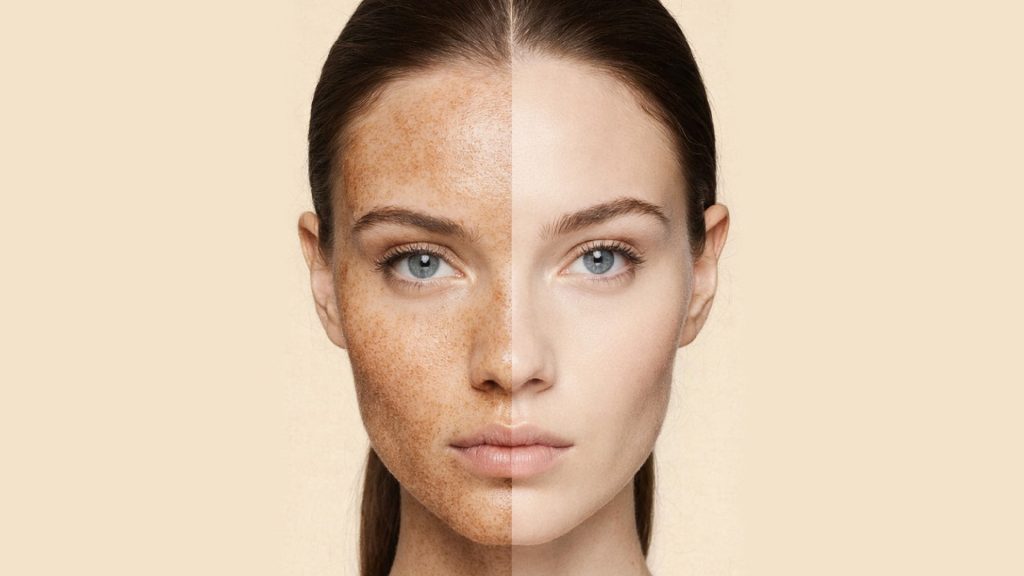
Preventing pigmentation in a high-UV climate like Dubai requires a layered strategy, not just a quick swipe of sunscreen in the morning. True prevention combines protection, repair, and professional care.
Using SPF 50+ with broad-spectrum protection (UVA + UVB) is non-negotiable.
Why it matters:
What actually works:
In Dubai’s climate, lightweight but high-protection formulas are essential to ensure you wear (and reapply) them.
Sunscreen protects, but antioxidants repair and defend.
Vitamin C serums help:
Pairing Vitamin C with sunscreen creates a stronger defence shield against sun-induced pigmentation.
Other helpful antioxidants include:
Together, they reduce inflammation and slow down melanin overproduction.
Heat itself can trigger melasma, even without direct sunlight.
Practical prevention tips:
Reducing heat exposure lowers inflammation, which helps control pigment flare-ups.
If pigmentation has already started, early professional care prevents it from becoming deeper and more resistant.
Professional sun damage treatment in Dubai may include:
Treating pigmentation early stops melanin from settling deeper into the dermis, where it becomes harder to fade.
The biggest mistake? Treating pigmentation only after it appears.
True prevention requires:
Preventing sun-induced pigmentation isn’t one product; it’s a complete skin protection strategy. In a sun-intense city like Dubai, consistent protection, antioxidant support, and timely professional care are what truly keep dark spots from forming or returning.
If prevention hasn’t worked, professional intervention is the most effective solution.
Advanced Hyperpigmentation Treatment Options:
Each hyperpigmentation treatment plan should be customised based on:
For stubborn cases, specialised melasma treatment in Dubai is required, as melasma tends to recur without maintenance.
The most effective treatment for sunspots typically includes:
These treatments target pigment at different depths within the skin while stimulating collagen regeneration.
Delaying treatment can cause pigmentation to settle more deeply in the dermis, making it resistant to topical products.
Professional UV damage skin treatment not only improves skin tone but also:
How Will Amara Aesthetic Help?
At Amara Aesthetic, we provide customised pigmentation treatment in Dubai designed for the region’s harsh climate.
Our Approach:
✔ Advanced skin analysis
✔ Personalised hyperpigmentation treatment plans
✔ Safe laser technology
✔ Targeted melasma treatment in Dubai solutions
✔ Preventive skincare guidance
We don’t just treat existing pigmentation; we help prevent recurrence by addressing the root causes of skin pigmentation and strengthening your skin barrier.
Whether you’re struggling with dark spots from sun exposure, seeking effective sun damage treatment in Dubai, or need expert UV damage treatment for your skin, our specialists design a plan customised specifically for your skin.
Dubai’s sun is intense, and without proper protection, sun-induced pigmentation can quickly become a concern. Prolonged UV exposure often leads to dark spots, uneven skin tone, and stubborn hyperpigmentation.
The good news? With the right blend of sun protection, targeted skincare, and advanced professional treatments, you can maintain radiant, healthy-looking skin all year round.
If you’re ready to regain your skin’s natural clarity and confidence, consult Amara Aesthetic for expert pigmentation treatments in Dubai customised to your unique skin needs. For more info, drop us an email at info@amaraclinics.ae or call us on +971 54 324 1234.
Dubai has a consistently high UV index throughout the year, exposing skin to strong UVA and UVB rays daily.
This repeated exposure triggers excessive melanin production, leading to sun-induced pigmentation, dark spots, and uneven skin tone. Heat and infrared radiation further worsen conditions like melasma, increasing the need for professional pigmentation treatment in Dubai.
The best pigmentation treatment in Dubai depends on the type and depth of pigmentation. For sunspots and UV damage, treatments like Q-switched laser therapy, fractional lasers, and medical-grade chemical peels are highly effective.
For deeper conditions such as melasma, customised melasma treatment in Dubai that combines laser therapy, prescription creams, and strict sun protection offers better long-term results.
Sunscreen is essential, but not enough on its own. While SPF 50+ broad-spectrum sunscreen helps prevent UV-induced pigmentation, combining it with antioxidants like Vitamin C and a professional UV-damage skin treatment when needed provides stronger protection.
In Dubai’s climate, reapplication every 2–3 hours are crucial to prevent dark spots from sun exposure.
Although UV rays are the main trigger, other factors that can cause skin pigmentation include hormonal changes, pregnancy, certain medications, genetics, acne (which can lead to post-inflammatory hyperpigmentation), and heat exposure.
In Dubai, the combination of hormonal triggers and intense sun often makes hyperpigmentation treatment more complex and requires professional assessment.
Solar lentigines (sunspots) are usually well-defined brown patches caused by long-term UV exposure, while melasma appears larger; symmetrical patches often linked to hormones and heat.
Proper diagnosis is important because melasma treatment in Dubai requires a more structured, long-term approach than standard treatment for sunspots. Consulting a dermatologist ensures you receive the appropriate treatment plan for hyperpigmentation.

Kajol is a dedicated medical writer at Amara Aesthetic Clinic with valuable experience in the healthcare and aesthetics industry. With a passion for writing and a strong grasp of medical topics, Kajol creates content that is clear, engaging, and easy to understand. Specialising in aesthetic treatments, skincare, wellness, and patient education, Kajol has a talent for turning complex information into approachable and informative content.