Take the First Step Toward Healthy, Glowing Skin
Book Your Free Aesthetic Consultation Today
Let our specialists create a customized care plan tailored just for your skin and lifestyle.

Schedule an Appointment
Let our specialists create a customized care plan tailored just for your skin and lifestyle.
Schedule an Appointment
 Cupping Therapy
Table of contents
Cupping therapy is popular across cultures, particularly in traditional Chinese medicine and in Middle Eastern practices such as Hijama therapy in Dubai. While cupping has gained popularity worldwide due to its therapeutic benefits, many people are still unsure about the differences between dry cupping and wet cupping.
With this blog, understand the nuances of these two cupping methods. Cupping is beneficial for pain relief, muscle relaxation, or detoxification, but type of cupping therapy may vary as per your needs. So, let’s dive deep into it to understand everything you need to know about dry cupping vs wet cupping.
Before we dig into dry cupping vs wet cupping, let’s first understand what cupping therapy is all about. Cupping basically is placing cups on the skin to create a vacuum effect. This vacuum pulls the skin and underlying tissue upwards, enhancing blood flow, relieving muscle tension, and promoting healing.
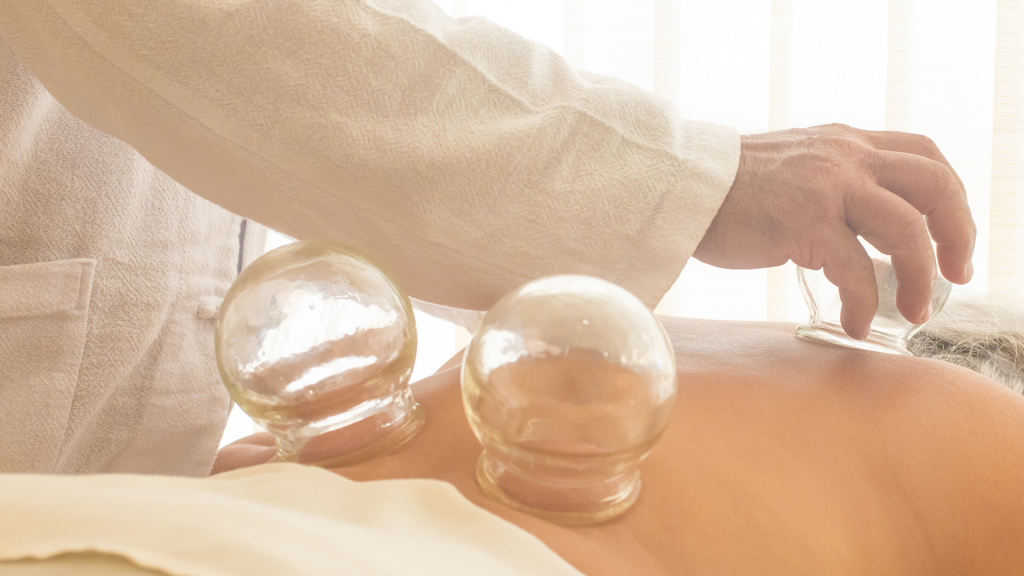
In the method of Dry cupping, suction cups are used without any incisions or bloodletting. Here’s a breakdown of how it works and what it involves:
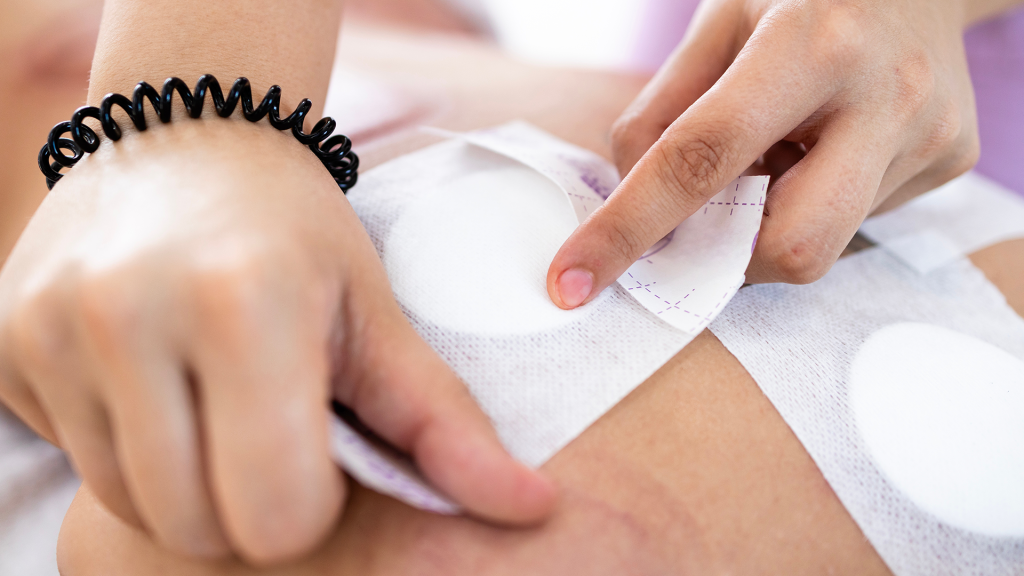
On the other hand, wet cupping, also known as Hijama therapy, is a more intensive form of cupping therapy that involves both suction and controlled bloodletting. This practice is deeply rooted in traditional Middle Eastern medicine.
Now that we’ve looked at both types of cupping, find out the best cupping therapy Dubai style for you with these key differences
| Parameters | Dry Cupping | Wet Cupping |
| Procedure | Only suction, no bloodletting | Suction followed by controlled bloodletting |
| Pain Level | Generally, less painful | Can be more intense due to the incisions |
| Primary Purpose | Pain relief, relaxation, and improved circulation | Detoxification, pain relief, and immune system boost |
| Risk | Lower risk as there’s no blood involved | Slightly higher risk due to bloodletting |
| Healing Speed | Longer recovery time | Faster recovery time |
| Ideal for | Muscular tension and stress relief | Chronic conditions, toxin buildup, inflammatory issues, acute severe pain, and muscular & nerve tension |
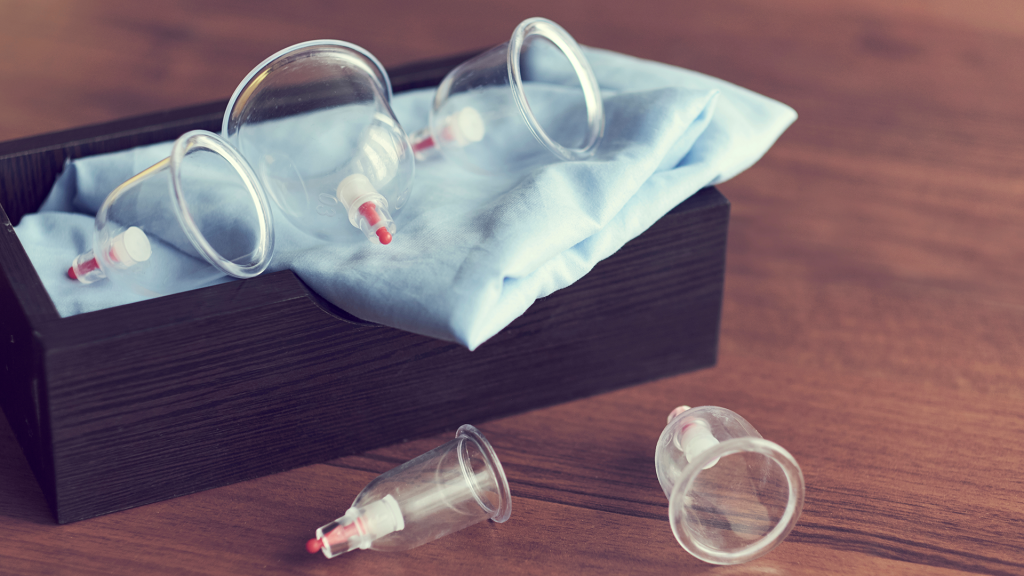
The choice between dry cupping vs wet cupping depends on your individual needs and goals. Here are some factors to consider:
In the battle of dry cupping vs wet cupping, both methods offer unique benefits. Whether you’re looking for stress reliefwith dry cuppingor a detoxifying experiencewith wet cupping(Hijama therapy), it’s important to choose the one that aligns with your specific health needs. If you’re in Dubai, Amara Aesthetic Studio is one of the best cupping therapy clinics in the world, offering both techniques with experienced therapists who can guide you through the process.
Yes, cupping therapy is generally safe when performed by a trained professional. However, there may be some minor bruising or skin irritation.
The frequency depends on the condition being treated. For pain management, you might need one session per month, whereas detox treatments may require one session in 3 months.
Dry cupping is usually painless, though you may feel a slight pulling sensation. Wet cupping can cause some discomfort due to incisions and bloodletting, but the pain is generally tolerable.
Yes, both dry cupping and wet cupping can be effective for relieving tension headaches and migraines.
Yes, cupping therapy can complement other treatments like acupuncture, physical therapy, and massage to enhance healing.
